Friction welding creates a stronger, more durable bond through solid-state joining. Traditional welding uses filler material and can introduce weaknesses. Your choice between these methods affects strength, durability, cost, and performance.
A friction welded track roller joins the shaft and body without melting the metal. This process produces a reliable, consistent weld. Traditional welding relies on filler wire and operator skill, which can vary.
Which method is better for your specific application? The answer depends on your load requirements, budget, and long-term goals. Heavy-duty industries increasingly choose friction welding for critical components. Traditional welding still works well for less demanding tasks.
Friction welding joins track roller parts without melting metal. This process creates a stronger bond.
Traditional welding uses filler wire. This method relies on operator skill. It can produce weak points in the joint.
Friction welding produces a uniform bond. This bond resists fatigue, shock, and wear. Your track roller lasts longer.
Choose friction welding for heavy-duty jobs. Choose traditional welding for lighter tasks. Match the method to your needs.
Friction welding saves money over time. Fewer failures reduce downtime and replacement costs. This long-term value beats a lower upfront price.
A friction welded track roller is a component where the shaft and roller body join through a solid-state process. This method does not melt the metal. Instead, it uses mechanical friction to generate heat and forge a bond between the two parts.
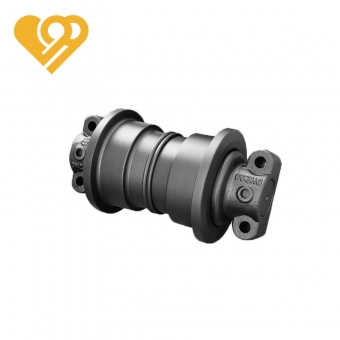
You start with a roller body and a shaft. One part spins at high speed while the other stays still. The two surfaces press together under force. This contact creates friction, and friction creates heat. The heat softens the metal at the interface, but it never reaches the melting point. Once the material reaches the right temperature, the rotation stops. The two parts forge together under pressure. The result is a single, continuous piece of metal.
Yintai uses friction welding for track rollers alongside traditional welding. The factory runs Germany KUKA automatic machining centers and Japan Panasonic welding robots. These machines control the spin speed, pressure, and timing with high precision. Friction welding also consumes less raw material than traditional welding. You do not need filler wire or flux. This reduces waste and lowers material costs over time.
The solid-state process produces a bond without filler material. No foreign metal enters the joint. The bond forms directly between the base metals. This creates a joint that matches or exceeds the strength of the parent material. You get a heavy duty track roller that resists fatigue and impact.
Traditional welding melts the base metal and adds filler wire. This creates a heat-affected zone. That zone can become brittle or develop porosity. A friction welded track roller avoids these problems. The joint has a fine grain structure. This structure resists cracking under repeated loads. The bond also handles stress better than a fusion weld. For an excavator track roller that faces constant shock and vibration, this difference matters. The part lasts longer and fails less often.
Traditional welding joins metal parts by melting them together with heat. You add a filler material to fill the gap between components. The filler wire melts into the joint and creates a bond as it cools. MIG welding stands as a common example of this approach. You feed a continuous wire electrode through a welding gun. The wire melts and deposits into the joint. This method works well for many fabrication tasks.
A welded track roller made this way relies on the filler metal to hold the shaft and body together. The process demands careful control of heat, speed, and wire feed rate. An experienced operator can produce good results. However, the outcome varies with human skill and attention.
The filler material introduces a different alloy into the joint. This creates a transition zone between the base metal and the weld deposit. That zone may not match the strength of the surrounding steel. Under repeated loads, the joint can develop cracks or porosity. A heavy duty track roller faces constant shock and vibration on the job site. These conditions test every weld.
Joint quality also depends on the operator. Two welders can follow the same procedure and produce different results. Fatigue, distraction, and technique all affect the final weld. A friction welding track roller avoids this variability. The solid-state process controls every parameter by machine. You get consistent joint quality across every track roller assembly.
For an excavator track roller that operates in demanding conditions, this consistency matters. A bottom track roller with an inconsistent weld may fail early. That failure costs you downtime and replacement expenses. Traditional welding can work for lighter applications. Yet the operator-dependent nature of the process introduces risk you cannot ignore.
A friction welded track roller delivers a bond that fusion welding cannot match. The solid-state process forges the shaft and body together at the molecular level. No filler metal sits between the two parts. No heat-affected zone weakens the surrounding steel. You get a joint that performs like one continuous piece of metal.
This bond integrity pays off under repeated stress. A heavy duty track roller faces constant shock, vibration, and load changes on the job site. Every bump, turn, and load shift sends stress waves through the component. A fusion weld with filler material may develop cracks at the transition zone over time. Those cracks grow with each cycle. Eventually, the joint fails.
A friction welding track roller resists this fatigue better. The fine grain structure at the joint handles stress more evenly. The bond does not rely on a different alloy to hold the parts together. Instead, the base metals merge directly. This direct bond distributes stress across the entire joint area. You get a track roller assembly that survives far more load cycles before showing any sign of weakness.
Conventional welding methods produce a joint that is only as strong as the filler wire and the operator's skill. A friction welded track roller produces a joint that is stronger and more reliable than the parent metal itself. That reliability translates directly into fewer failures and less downtime for your equipment.
Wear resistance separates friction welding from traditional methods in a big way. A friction welded track roller lasts longer under the same operating conditions. The solid-state bond creates a uniform hardness across the joint. There is no soft transition zone that wears faster than the surrounding metal. This uniformity means the entire component wears at a consistent rate.
A welded track roller made with fusion methods often shows uneven wear. The filler material may be harder or softer than the base metal. The heat-affected zone may lose some of its original properties. These differences create weak points. Those weak points become the first areas to fail. You may see cracking, spalling, or separation at the weld line.
An excavator track roller operates in mud, rock, and debris. Abrasive materials grind against every surface. A bottom track roller must maintain its shape and strength through thousands of hours of use. Friction welding gives you a component that holds up to this punishment. The joint does not degrade faster than the rest of the roller. You replace parts less often. Your machine stays in service longer.
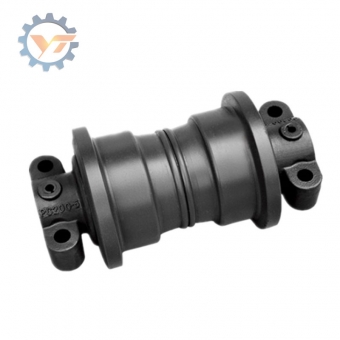
Failure rates tell the same story. A friction welded track roller fails less often than a traditionally welded one. The consistent joint quality removes the variability that comes from manual welding. Every roller that leaves the production line meets the same high standard. You can plan your maintenance schedule with confidence. You avoid the surprise breakdowns that cost you time and money.
The evidence is clear. Friction welding produces a track roller that is stronger, more wear-resistant, and more reliable over its entire working life. For any heavy-duty application, this difference in durability directly affects your bottom line.
The friction welded track roller consumes less raw material than a welded track roller. You skip filler wire, flux, and shielding gas. You use only the two pieces of steel that form the final part. The friction process wastes almost nothing. It produces no slag or spatter. You do not pay for consumables that never end up in the component. These savings appear with every batch. You also reduce energy costs. The friction process uses mechanical motion instead of an electric arc. That motion creates heat only where the parts meet.
You also avoid skilled labor costs. A machine controls rotation, pressure, and timing. The operator loads the parts and starts the cycle. Every track roller assembly matches the last one. Manual MIG welding depends on the welder's hands. Two different welders can make two different joints. Those differences lead to inspection failures and rework. You pay twice when that happens.
Friction welding equipment costs more upfront. That number looks large at first. Spread it across thousands of parts, and it becomes small. The longer you run, the lower your cost per part. A heavy duty track roller gains its real advantage from service life. A joint that fails in the field costs many times its purchase price. You pay for repairs, lost production, and downtime. Friction welding removes that risk.
Do not judge by sticker price alone. The cheapest welded track roller becomes expensive after early failure. The friction process delivers more cycles for your money. That long-term value beats any upfront saving.
An excavator track roller carries the full weight of the machine. It rolls through rocks, mud, and debris. A bottom track roller sits closer to the ground and takes the worst punishment. Every bump sends a shock through the joint. The part must survive millions of load cycles.
Friction welding track roller construction starts with two clean steel faces. The faces spin together under pressure. Heat softens the metal without melting it. The two parts forge into one. No filler metal sits in the joint. No weak transition zone interrupts the structure. The shaft and roller body become one continuous piece. That seamless structure resists impact better than a fusion weld. Heavy loads make the joint behave like the parent steel.
The solid-state process also limits the heat-affected zone. The base metal keeps its strength. You get a heavy duty track roller with uniform hardness across the bond. Wear happens evenly. The roller keeps its shape and keeps the track chain aligned. Misalignment would accelerate wear on every undercarriage part. You avoid that whole chain of failures.
Fatigue resistance determines how long the part lasts. Friction welding creates a fine grain structure at the bond. Cracks struggle to start and grow. Your track roller assembly withstands constant shock and vibration. You can run the machine at full capacity without worrying about the weld.
This reliability changes maintenance planning. You inspect for wear, not for hidden cracks. You schedule replacements based on measurements, not suspicion. Operators in mining and earthmoving trust this performance. They choose friction welding for the most punishing jobs.
Mining, construction, and earthmoving operations demand the highest reliability from undercarriage components. These industries run excavator track rollers through abrasive soil, heavy rock, and constant shock loads. A friction welded track roller excels in these conditions. The solid-state bond handles extreme stress without cracking or separating. You get consistent performance across every part in your fleet.
Yintai serves these demanding sectors with parts compatible with major brands such as Caterpillar, Komatsu, Hitachi, Daewoo, and Volvo. The company brings over 35 years of engineering expertise to every heavy duty track roller it produces. ISO9001 certification confirms that quality management systems meet international standards. Five patents on excavator and bulldozer spare parts demonstrate a commitment to innovation. These credentials matter when you need reliable components for critical equipment.
Traditional welding still works for lighter applications. A bottom track roller on a small machine may never face the extreme loads of a mining excavator. Budget constraints may also favor traditional methods for non-critical components. You should match the welding method to the actual demands of your application.
Yintai collaborates with renowned steel mills like Fujian Sangang Group, Xinyu Iron and Steel Group, Hangzhou Iron & Steel, and Baogang Group. These partnerships ensure that only the finest raw materials enter every track roller assembly. Whether you choose friction welding or traditional methods, the base steel quality remains consistent. This control over raw materials gives you confidence in the final product.
Evaluate your load requirements, operating environment, and maintenance goals. Friction welding delivers superior durability for punishing conditions. Traditional welding offers a practical option for less demanding tasks. Yintai provides both methods to meet your specific needs.
Choosing between the two methods comes down to your operating conditions. A friction welded track roller delivers superior strength and durability for demanding jobs. Traditional welding may offer lower upfront costs for lighter applications. Consider your load requirements, operating environment, and maintenance budget. The upfront savings of traditional welding fade quickly when failures cause downtime. Heavy-duty industries continue adopting friction welding for critical components. The solid-state bond becomes the standard for reliability as equipment demands grow. Match the method to your specific needs. Choose friction welding when your excavator track roller must survive punishing loads. Choose traditional welding for less demanding applications.
A friction welding track roller requires more expensive equipment upfront than a welded track roller. You save on filler wire, flux, and rework. The friction part lasts longer and fails less often. Lower long-term costs offset the initial investment.
Friction welding forges the shaft and body together at the molecular level. No filler metal sits between the parts. No heat-affected zone weakens the steel. The joint matches the strength of the parent material. Your heavy duty track roller performs like one continuous piece of metal.
The solid-state bond creates a joint without filler material or a weakened heat-affected zone. This joint resists fatigue and stays consistent under shock loads. Your excavator track roller maintains its shape and wears evenly across the bond. Fewer cracks mean fewer failures and less downtime.
A bottom track roller sits closest to the ground and takes the worst abuse. Friction welding produces a seamless track roller assembly without weak points. That seamless structure handles impact better than fusion welding. Choose friction welding for bottom rollers that face constant shock.
get latest company news
Xiamen Yintai Machinery Co., Ltd


 ipv6 network supported
  sales & support 8613696958576
 Email : binochen@yintparts.com