Choosing an excavator undercarriage parts manufacturer is not just about finding a competitive price. The right supplier should be able to match parts to your machine, explain material and manufacturing specifications, maintain consistent quality, and deliver orders according to an agreed schedule. A low-priced component that does not fit correctly or wears out too quickly can cost more in downtime, labor, and repeat replacement.
Before placing an order, buyers should ask specific questions about machine compatibility, materials, heat treatment, quality inspection, customization, minimum order quantities, and shipping. For distributors, equipment repair companies, and construction machinery parts wholesalers, these questions help reduce purchasing risks and make supplier comparisons more meaningful.
Xiamen Yintai Machinery Co., Ltd. (Yintparts) manufactures excavator and bulldozer undercarriage components, including track chains, track rollers, carrier rollers, idlers, sprockets, and track shoes. The company also offers customized parts based on customer samples, drawings, and technical requirements.

Start with compatibility. Before requesting a quotation, ask the manufacturer to confirm whether the parts match your machine model, serial number, and existing undercarriage specifications. A machine model alone may not always be enough because different production series or configurations can use different components.
Ask the supplier these questions:
For example, when purchasing a track chain, confirm the pitch, link dimensions, and relevant assembly specifications rather than relying only on the excavator model. Buyers can review Yintparts' excavator track chain and link products to identify suitable options and discuss technical requirements with the supplier.
For components with critical mounting dimensions, ask for written confirmation before approving production. This is particularly important for replacement orders involving multiple machine models.
Material selection and manufacturing processes directly affect the strength, wear resistance, and service life of undercarriage components. However, specifications should be evaluated according to the component's function rather than assuming that one material or process is suitable for every part.
Ask the manufacturer to explain:
Track rollers, for example, operate under repeated loads and contact with abrasive ground conditions. Their performance depends on factors such as material quality, heat treatment, sealing, machining accuracy, and operating conditions. Ask the manufacturer how these factors are controlled for the exact roller model you intend to purchase.
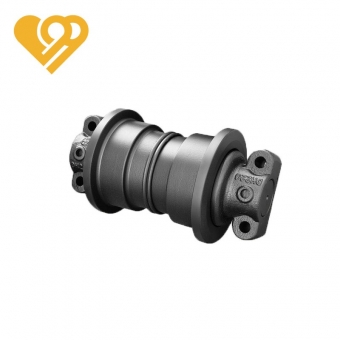
Yintparts manufactures different types of track rollers and describes its use of heat treatment and machining processes. Buyers comparing suppliers can explore the bottom track roller product range and request the specifications relevant to their machine and working conditions.
Do not settle for a general statement such as "high-quality steel." Ask for the applicable material grade, inspection criteria, and supporting documentation so that quotations can be compared on a like-for-like basis.
A reliable excavator undercarriage parts manufacturer should be able to explain how product quality is checked during production and before shipment. Buyers should understand what is inspected, how acceptance criteria are defined, and which records can be provided with the order.
Useful questions include:
Inspection requirements should reflect the part being purchased. For a track chain, buyers may focus on link dimensions, pitch, assembly quality, and relevant hardness requirements. For a sprocket, tooth geometry, mounting dimensions, and material or heat-treatment specifications may be more important.
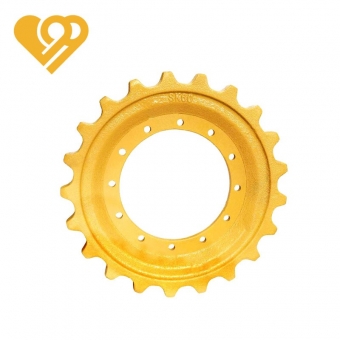
For example, sprocket compatibility depends on its relationship with the track chain and the machine's drive system. Buyers can review the Yintparts undercarriage product range and request model-specific drawings, dimensions, and inspection details before approving an order.
It is also worth agreeing on the inspection process before production begins. If a third-party inspection is required, confirm the inspection scope, timing, cost, and acceptance criteria in writing.
Not every replacement part is readily available as a standard item. Some buyers need components for older machines, less common models, regional equipment configurations, or specific operating conditions. In these cases, customization capability can be an important factor when selecting a supplier.
Ask whether the manufacturer can work from:
Before confirming a custom order, ask the supplier to explain how the sample or drawing will be reviewed, whether new tooling or additional processing is necessary, and whether a first-piece inspection can be arranged. Confirm who approves the final drawing and how any design changes will be documented.
Yintparts states that it can manufacture excavator and bulldozer spare parts according to customer samples, designs, or technical drawings. This can be useful for distributors and repair businesses sourcing parts for specific equipment requirements.
For example, buyers can review the front idler assembly range and discuss the relevant dimensions, machine application, and customization requirements with the manufacturer.
Price is only one part of the purchasing decision. Minimum order quantity (MOQ), production lead time, and the supplier's ability to handle repeat orders can affect inventory planning and customer delivery commitments.
Before placing an order, ask:
Do not assume that every product has the same MOQ or lead time. Standard parts, custom components, and large-volume orders may require different production arrangements. Request a written quotation that identifies the quantities, delivery schedule, and any assumptions behind the estimated lead time.
For distributors purchasing several component types, a consolidated order may also simplify procurement and shipping coordination. Confirm the availability and production schedule of each item rather than relying on the lead time of the fastest-moving product.
To compare quotations fairly, make sure each supplier is pricing the same product specification, quantity, quality requirements, and delivery terms. A lower unit price may not represent better value if the component does not fit correctly, inspection requirements are unclear, or freight and packaging costs are excluded.
Check whether the quotation specifies:
It is also useful to calculate the expected cost over the component's service life. A part with a lower initial price may become more expensive if it requires frequent replacement or causes additional downtime. Actual service life depends on component design, machine condition, ground conditions, operator practices, and maintenance, so ask suppliers for relevant product information instead of relying on unsupported lifespan claims.
When evaluating excavator sprockets and segments, for instance, compare compatibility, material and heat-treatment requirements, dimensions, and inspection arrangements alongside the quoted price.
Before placing an order, establish how the manufacturer handles quality concerns, incorrect parts, transit damage, and technical questions after delivery. Clear procedures can help both parties resolve problems more efficiently.
Ask the supplier to clarify:
Ask for the warranty terms in writing. Confirm whether coverage depends on installation, maintenance, operating conditions, or other requirements. A clear agreement is more useful than a general promise of good service.
For international orders, also clarify the contact person, time zone, communication method, and process for sharing photos, videos, or inspection records if an issue occurs.
The more complete your initial inquiry is, the easier it is for a manufacturer to confirm compatibility and prepare an accurate quotation. Missing part numbers, dimensions, or quantity details can lead to additional questions and delay the purchasing process.
Prepare the following information whenever possible:
If you are unsure of the exact component, send clear photographs and measurements of the existing part. The manufacturer can then review the information and advise whether additional details are needed before confirming compatibility.
For procurement teams sourcing several items, a spreadsheet listing part numbers, machine models, quantities, and required delivery dates can make the quotation process more efficient.
A suitable manufacturer should do more than provide a price list. Buyers should evaluate whether the supplier can demonstrate relevant manufacturing experience, explain its production and inspection processes, confirm product compatibility, and communicate clearly about lead times and after-sales support.
Before committing to a large order, consider starting with a smaller order or representative sample when practical. Use the agreed specifications and inspection criteria to evaluate product fit, quality consistency, packaging, and communication. For repeat orders, maintain approved drawings, part references, inspection records, and purchase specifications so that future orders can be checked against the same requirements.
Yintparts supplies excavator and bulldozer undercarriage parts, including track chains, bottom track rollers, sprockets, front idlers, carrier rollers, and track shoes. The company also describes customized manufacturing based on customer requirements. Buyers can review the relevant products and submit their machine details, drawings, or samples to discuss a suitable solution.
To start a purchasing inquiry, visit Yintparts and provide your required part numbers, machine models, quantities, and delivery destination. Clear specifications at the beginning make it easier to confirm compatibility, compare quotations, and establish realistic production and delivery expectations.
What should I check first when choosing an excavator undercarriage parts manufacturer?
Check machine compatibility first. Provide the machine model, serial number where available, original part number, and relevant dimensions. Then confirm material specifications, quality inspection, lead time, price, and warranty conditions.
Can a manufacturer produce excavator undercarriage parts from samples or drawings?
Some manufacturers offer custom production based on physical samples, technical drawings, or specified dimensions. Confirm drawing approval, material requirements, tooling costs, inspection arrangements, and production lead time before ordering.
How can I verify the quality of excavator undercarriage parts before shipment?
Agree on the required specifications and acceptance criteria before production. Depending on the part, request dimensional inspection records, material documentation, hardness results, product photographs, or a third-party inspection before shipment.
What information is needed to get an accurate undercarriage parts quotation?
Provide the machine brand and model, part number, quantity, drawings or measurements if available, required specifications, destination, and target delivery date. This information helps the manufacturer assess compatibility and estimate the order requirements.
Is the lowest-priced undercarriage part always the best option?
No. Compare compatibility, material specifications, manufacturing quality, inspection requirements, expected service conditions, delivery costs, and warranty terms. The best purchasing decision considers total operating cost rather than unit price alone.
get latest company news
Xiamen Yintai Machinery Co., Ltd


 ipv6 network supported
 sales & support 8613696958576
 Email : binochen@yintparts.com