Choosing an excavator undercarriage parts manufacturer is an important decision for equipment distributors, construction machinery dealers, repair companies, and heavy equipment fleet operators. The right manufacturer should do more than offer competitive prices. It should provide suitable product specifications, consistent manufacturing quality, reliable communication, and the ability to support repeat orders.
So, how do you choose a reliable excavator undercarriage parts manufacturer? Start by checking its product range, manufacturing processes, heat treatment capabilities, quality inspection procedures, OEM services, and experience with your required machine models. You should also compare lead times, packaging, and the supplier's ability to maintain consistent specifications across orders.
YINTPARTS manufactures excavator and bulldozer undercarriage components, including track chain links, bottom track rollers, sprockets and segments, and other machinery spare parts. This guide explains the key factors buyers should evaluate before selecting a manufacturing partner and how to prepare a more effective supplier inquiry.
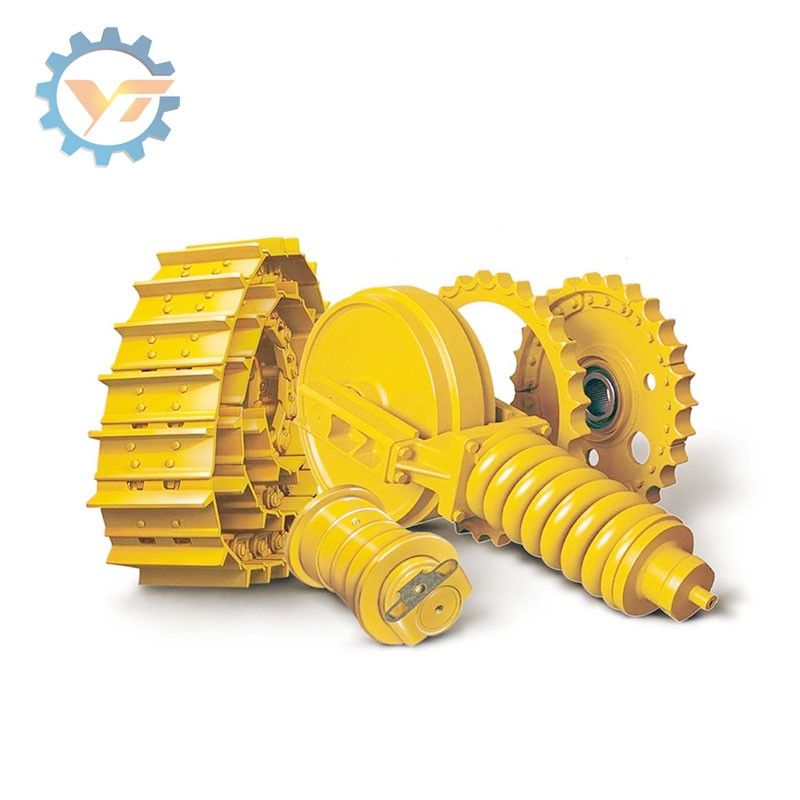
A manufacturer with a relevant product range is often easier to work with than a general trading company that cannot provide detailed technical information. Undercarriage components operate together, so understanding their specifications and compatibility is important when supplying replacement parts.
Before contacting a potential manufacturer, check whether it produces the components you actually need. Common excavator undercarriage parts include:
A broad product range can simplify sourcing when your business needs multiple components for the same machine or serves customers using different equipment brands. However, a long product list alone does not prove manufacturing capability. Ask whether the company manufactures the relevant products itself and what technical information it can provide.
For buyers sourcing multiple component types, YINTPARTS provides a range of excavator undercarriage parts for crawler machinery. Review the available products and confirm the specific model, dimensions, and part number with the supplier before placing an order.
Manufacturing processes influence dimensional accuracy, component consistency, and the performance of finished parts. When evaluating an excavator undercarriage parts manufacturer, ask how the components are produced and which processes are used for the specific products you intend to purchase.
Depending on the component, relevant processes may include forging, machining, welding, heat treatment, and final dimensional inspection. The importance of each process varies by product design. A track chain link, for example, has different manufacturing requirements from a track roller or a sprocket segment.
Useful questions to ask include:
YINTPARTS describes its use of machining equipment and professional quenching and tempering processes for its products. When discussing a specific order, buyers should confirm the manufacturing route and quality requirements applicable to that component rather than assuming every part follows an identical process.

Excavator undercarriage components face continuous abrasion, impact, heavy loads, and repeated contact with uneven ground. Material selection and heat treatment are therefore important when evaluating a manufacturer's technical capabilities.
For wear-resistant components, buyers should consider the balance between surface hardness, core toughness, and resistance to cracking or deformation. The required properties depend on the part's design, material, application, and operating environment. A higher hardness value alone does not automatically mean a component will perform better.
Ask the manufacturer to explain the material grade and heat treatment process used for your required product. Where relevant, request information about hardness testing, dimensional checks, material documentation, and other quality records available for the order.
YINTPARTS identifies quenching and tempering as part of its manufacturing processes for undercarriage components. These processes are intended to support the mechanical properties and wear resistance of the finished parts. Buyers should confirm the applicable specifications and inspection requirements for the exact component being quoted.
For example, when sourcing excavator track chain links, it is important to review not only the part dimensions and machine compatibility but also the material and heat treatment requirements. These factors can influence performance under repeated loading and abrasive working conditions.
A reliable manufacturer should be able to explain how it checks products before shipment. Quality control should not depend solely on the final visual appearance of a component. The inspection method needs to reflect the part's function and the risks associated with incorrect dimensions or material properties.
Depending on the product and purchase agreement, useful checks may include:
Before production begins, agree on the critical acceptance criteria. If your company requires inspection reports, product photos, or other documentation, make these requirements clear in the quotation or purchase order.
For large orders, repeat purchases, or components made to customer drawings, documented inspection requirements can help reduce misunderstandings. They also provide a reference for comparing later batches with the originally approved specifications.
Even a well-manufactured component can be unsuitable if it does not fit the intended machine. Excavators from different manufacturers may use different dimensions, mounting arrangements, and undercarriage specifications. Variations can also exist between machine models or production series.
Before requesting a quotation, prepare the following information:
Do not rely on a machine model alone when the original part number or dimensions are available. Previous repairs and modifications may affect the component currently installed on the machine. Ask the manufacturer to confirm compatibility before approving the order.
When purchasing excavator bottom track rollers, for instance, check the relevant mounting dimensions, roller configuration, and intended machine application. The supplier should have enough information to assess whether the proposed product matches your requirements.
For distributors, repair companies, and buyers with non-standard requirements, OEM manufacturing capability can be an important selection factor. A suitable manufacturer should be able to review technical drawings, reference samples, or detailed specifications and explain whether the requested component can be produced.
Before discussing a customized order, confirm:
YINTPARTS states that it can manufacture excavator and bulldozer spare parts according to customer samples, designs, or technical drawings. This can be useful for buyers seeking replacement components for particular machine models or supplying parts to different customer groups.
For buyers looking for OEM excavator spare parts, provide the available drawings, sample details, or part references when contacting the company. The manufacturer can then review the request and confirm production feasibility, specifications, and lead time.
Undercarriage components work as a system. Track chains, sprockets, rollers, idlers, and track shoes must work together under the machine's operating conditions. When one component wears excessively, it may be necessary to inspect related parts before deciding what to replace.
A manufacturer that understands the relationships between these components can help buyers clarify the parts needed for a particular maintenance or replacement project. However, buyers should still confirm compatibility and avoid replacing serviceable parts without a technical reason.
For example, sprocket tooth wear and track chain wear are closely related because the two components engage with each other. If the chain and sprocket have significantly different wear conditions, installing a new component without checking the mating part may lead to unsatisfactory performance.
Review the available excavator sprockets and segments when sourcing drive components. Confirm the tooth profile, mounting dimensions, and compatibility with the track chain before ordering.
You can also review the company's excavator undercarriage component parts range to identify other components relevant to your application.
A manufacturer's production capacity matters when you need regular replenishment, large quantities, or parts for scheduled maintenance projects. A supplier may offer a suitable product but still be a poor fit if its delivery schedule does not match your business requirements.
Before placing an order, ask about the production lead time, current availability, minimum order quantity, and estimated shipping schedule. For repeat purchases, discuss how the manufacturer identifies products and maintains the approved specifications across different batches.
Useful points to confirm include:
Lead time can vary according to product type, order quantity, customization requirements, and production workload. Ask for a product-specific estimate rather than assuming all undercarriage components share the same delivery schedule.
For distributors and wholesalers, reliable communication is especially important. Clear order confirmations and early notice of production changes make it easier to coordinate stock levels, customer commitments, and shipping arrangements.
The cheapest quotation is not necessarily the most economical option. The actual cost of sourcing excavator undercarriage parts can include the purchase price, freight, import duties, inspection costs, replacement frequency, and losses associated with equipment downtime.
When comparing manufacturers, make sure each quotation covers the same part number, specifications, quantity, and delivery terms. A lower price may reflect a different specification, a different level of documentation, or a different scope of supply.
Ask each supplier to clarify:
For long-term purchasing, evaluate how well the manufacturer can meet your technical requirements and delivery schedule, not just the initial price. Consistent specifications and clear communication can help reduce avoidable purchasing and maintenance problems.
YINTPARTS, operated by Xiamen Yintai Machinery Co., Ltd., supplies excavator and bulldozer spare parts for crawler machinery. Its product range includes track chain links, bottom track rollers, sprockets and segments, and other undercarriage-related components.
The company describes its use of quenching, tempering, and machining processes to support the mechanical properties and wear resistance of its products. It also states that it can manufacture OEM parts according to customer samples, designs, or technical drawings.
For international distributors, wholesalers, and equipment maintenance businesses, the next step is to confirm whether the company's products and manufacturing capabilities match the specific purchasing requirement. Machine compatibility, technical specifications, quality inspection, order quantity, and delivery terms should all be discussed before the order is confirmed.
To evaluate the available options, visit the YINTPARTS product range and prepare the part numbers, machine models, quantities, and technical details for your inquiry.
A useful supplier inquiry should explain what you need, which machine the parts are for, and what specifications must be met. The more complete the information, the easier it is for the manufacturer to assess the request and provide a relevant quotation.
How do I choose a reliable excavator undercarriage parts manufacturer?
Check the manufacturer's relevant product range, production processes, heat treatment capabilities, quality inspection procedures, machine compatibility, OEM services, lead times, and communication. Compare quotations using the same technical specifications rather than selecting a supplier based on price alone.
What is the difference between an excavator undercarriage parts manufacturer and a supplier?
A manufacturer produces parts using its own or managed production processes, while a supplier may manufacture products, distribute them, or source them from other companies. Buyers should ask about the actual production arrangement and the quality controls applicable to their order.
What should I ask an undercarriage parts manufacturer before ordering?
Ask about part compatibility, material specifications, manufacturing and heat treatment processes, inspection procedures, OEM capabilities, minimum order quantity, production lead time, packaging, and delivery terms. Request relevant drawings or inspection documents when needed.
Can an excavator undercarriage parts manufacturer produce parts from drawings or samples?
Some manufacturers offer OEM production based on customer drawings, designs, or physical samples. Confirm whether the manufacturer can produce the requested component, what technical information is required, and whether sample approval or other verification is needed before mass production.
Why is heat treatment important for excavator undercarriage parts?
Heat treatment can help establish the required mechanical properties, hardness, and wear resistance of a component. The appropriate process depends on the material and component design, and quality should be assessed using the specifications and inspection methods relevant to the product.
How can I compare quotations from different undercarriage parts manufacturers?
Compare quotations for the same part number, dimensions, material requirements, order quantity, inspection requirements, packaging, and shipping terms. Consider the total purchasing cost, delivery reliability, and documented quality requirements as well as the unit price.
What information should I provide when requesting an excavator undercarriage parts quotation?
Provide the machine brand and model, OEM part number if available, required quantity, photos or drawings, key dimensions, destination country, and any special quality, packaging, or delivery requirements. Complete information helps the manufacturer assess the request more accurately.
get latest company news
Xiamen Yintai Machinery Co., Ltd


 ipv6 network supported
 sales & support 8613696958576
 Email : binochen@yintparts.com