Before buying excavator undercarriage parts, check five key areas: machine compatibility, component quality, material and heat treatment, supplier reliability, and total purchasing cost. A suitable replacement must fit the machine correctly, withstand the working environment, and work properly with the surrounding components.
For construction contractors, equipment rental companies, repair workshops, and parts distributors, choosing the right replacement parts can help reduce unplanned downtime and avoid repeated purchasing costs. YINTPARTS supplies excavator and bulldozer undercarriage components, including track chains, bottom rollers, carrier rollers, sprockets, idlers, and track shoes.
This guide explains what to check before placing an order, what information to request from a manufacturer, and how to make a more informed purchasing decision.

Understanding the complete undercarriage system helps buyers identify the correct replacement parts and check related component conditions.
Machine compatibility should be the first checkpoint when buying excavator undercarriage parts. A component that looks similar to the original may still have different dimensions, mounting points, or operating specifications.
Before requesting a quotation, prepare the following information:
Do not rely on the machine brand alone. Different production years or machine configurations may use different undercarriage specifications. If the original component has been modified or replaced previously, provide that information to the supplier as well.
For buyers sourcing excavator track chains and track link assemblies, checking the track pitch, link configuration, and compatibility with the sprocket is particularly important.
Undercarriage parts operate under repeated loading, friction, impact, and exposure to abrasive materials. Their service life depends on more than appearance. Material selection, heat treatment, machining accuracy, and manufacturing consistency all influence performance.
When evaluating a supplier, ask about the material and manufacturing process used for the specific component you intend to purchase.
Hardness alone does not determine the quality of an undercarriage component. A part must achieve an appropriate balance of wear resistance, strength, and toughness for its intended design and working conditions.
YINTPARTS describes its manufacturing processes as including heat treatment and precision machining. When comparing suppliers, buyers should review the specific technical requirements and quality controls applicable to the part being quoted.
For example, buyers evaluating excavator and bulldozer undercarriage components should compare not only the quotation price but also the available specifications, manufacturing details, and inspection support.
The best excavator undercarriage replacement depends partly on where and how the machine operates. A machine working on abrasive rock faces different wear conditions from one operating mainly on soft soil or muddy ground.
Before purchasing, consider these operating factors:
Ask the supplier which specifications or design features are relevant to your operating conditions. Avoid relying on general claims such as “long life” or “heavy duty” without supporting technical information.
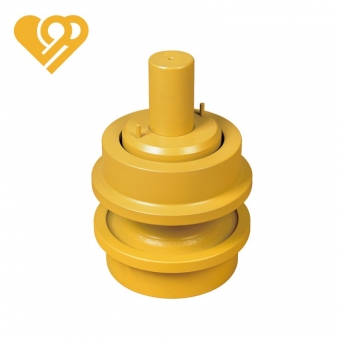
When purchasing undercarriage replacement parts for crawler equipment, describe the working environment and expected duty cycle so the supplier can help assess the appropriate product specifications.
Replacing a single worn part without checking the surrounding undercarriage can lead to additional maintenance costs. Track chains, rollers, sprockets, idlers, and track shoes work together, so excessive wear in one component may affect another.
Before confirming an order, inspect the relevant parts for visible damage, unusual wear patterns, loose hardware, oil leakage, and alignment issues.
If several connected parts are approaching their service limits, compare the cost and benefits of replacing individual components versus a broader maintenance plan. Actual replacement decisions should be based on inspection measurements and the machine manufacturer's wear limits.
For machines showing sprocket wear or damaged teeth, review the available excavator sprockets and segments and confirm the correct application before purchasing.
A lower purchase price does not always mean a lower operating cost. Buyers should consider the expected service life, installation requirements, freight, delivery time, warranty terms, and the risk of machine downtime.
A practical purchasing comparison should include:
For fleet operators, the cost of downtime can be particularly important. If an excavator is needed for a time-sensitive project, delivery reliability and the availability of technical support may matter as much as the initial component price.
For distributors and wholesalers, consistency between batches, clear product identification, and repeat-order support can also influence long-term purchasing decisions.
A reliable undercarriage parts supplier should be able to explain product specifications, confirm the intended application, and provide clear answers to technical questions. Buyers should evaluate the supplier's manufacturing capabilities and communication process before committing to a large order.
Useful questions to ask include:
YINTPARTS supplies undercarriage components for excavators and bulldozers and lists product categories covering track chains, bottom rollers, sprockets, front idlers, track shoes, and carrier rollers. The company also describes manufacturing and inspection capabilities on its website.
Buyers can review the excavator undercarriage component range and provide their machine information when asking the team to confirm product availability and specifications.
Even after selecting a suitable component, buyers should review the final order details carefully. Clear documentation helps reduce misunderstandings about the product, quantity, packaging, and delivery schedule.
Before approving the order, confirm the following:
If the part is custom-made from a sample or drawing, make sure the final approved specifications are documented before production starts. For repeat orders, retaining the approved part number, drawing, and inspection records can simplify future purchasing.
For additional product options, visit the YINTPARTS undercarriage and ground engaging tools catalog to identify the appropriate component category before submitting your inquiry.
Before placing your next order, use this checklist to make sure the main purchasing risks have been addressed.
Final recommendation: Before buying excavator undercarriage parts, verify fitment first, evaluate quality and working-condition requirements, inspect related components, and compare the supplier's full offer rather than the unit price alone. Providing complete machine information and requesting clear technical confirmation can help reduce purchasing errors and unnecessary downtime.
What should I check first when buying excavator undercarriage parts?
Start with the machine brand, exact model, serial number, and original part number. Then confirm the replacement's dimensions, mounting arrangement, technical specifications, and compatibility with related components.
How can I tell whether excavator undercarriage parts are good quality?
Review the material specifications, heat-treatment process, machining accuracy, manufacturing consistency, and quality inspection records. Select criteria relevant to the specific component rather than judging quality by appearance or hardness alone.
Should I replace the sprocket and track chain at the same time?
Not in every case. Inspect both components and compare their wear measurements with the manufacturer's limits. If either component is excessively worn or their engagement is no longer suitable, replacing the affected components together may help avoid premature wear.
Are cheaper aftermarket undercarriage parts a good choice?
They can be suitable when the application, dimensions, materials, quality controls, and performance requirements are verified. Compare the total cost of ownership, including expected service life, shipping, installation, and potential downtime, rather than choosing by unit price alone.
What information should I send to an undercarriage parts manufacturer?
Provide the machine brand and model, serial number, part number, component name, required quantity, photographs, and available measurements or drawings. Also explain the operating environment and any special technical requirements.
Why should I inspect related undercarriage components before ordering?
Track chains, sprockets, rollers, idlers, and track shoes work as a system. Excessive wear or damage in one component can affect the performance and service life of related parts, so inspecting the system helps inform the replacement decision.
get latest company news
Xiamen Yintai Machinery Co., Ltd


 ipv6 network supported
 sales & support 8613696958576
 Email : binochen@yintparts.com