An excavator track chain can wear out before the sprocket when its pins and bushings experience excessive friction, lubrication problems, abrasive contamination, or incorrect track tension. However, the sprocket may also wear faster if the machine operates under heavy loads or the chain and sprocket do not engage correctly. The actual wear pattern depends on the machine, operating conditions, component quality, and maintenance history.
For excavator owners and undercarriage parts buyers, the key is to understand how track chain wear affects sprocket engagement. A worn chain can change the effective pitch between its contact points, causing uneven engagement with the sprocket teeth. If the problem is ignored, both components may eventually require replacement.
Yintparts manufactures excavator and bulldozer undercarriage components, including track chains, track links, rollers, and sprockets. Understanding the relationship between these parts helps buyers identify the source of premature wear and select suitable replacements.

Track chain condition directly affects how the chain engages with the drive sprocket.
An excavator track chain may wear faster than the sprocket because its pins, bushings, and link joints experience repeated movement and friction throughout machine operation. Depending on the chain design, lubrication condition, soil contamination, and workload, these moving contact areas may deteriorate before the sprocket teeth reach their wear limits.
The most common reasons include:
It is important to distinguish normal wear from premature wear. Track chains are designed to articulate continuously, so gradual wear is expected. If the chain reaches its service limit significantly earlier than anticipated, inspect lubrication, track tension, operating conditions, and the condition of related undercarriage components.
When chain wear is confirmed, review the available excavator track chain and track link products to identify suitable replacement options for the machine.
The track chain and sprocket work together as a connected drive system. The sprocket teeth engage with the chain bushings, transferring power from the final drive to move the excavator. Their contact geometry must remain compatible for the system to operate efficiently.
As pins and bushings wear, the effective pitch of the chain can increase. The distance between successive chain engagement points may no longer match the intended sprocket geometry. This can cause the chain to engage higher or unevenly on the sprocket teeth, increasing localized contact stress.
Common consequences include:
Replacing the chain alone may be appropriate when the sprocket remains within the manufacturer's wear limits and its tooth profile is still suitable for correct engagement. However, installing a new chain against a severely worn sprocket can accelerate wear on the replacement component.
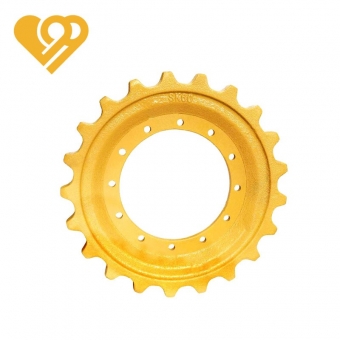
Sprocket tooth condition should be evaluated together with track chain wear before replacement.
For replacement planning, compare the chain's measured wear with the sprocket's tooth condition. Yintparts supplies excavator sprockets and segments for different undercarriage applications. Confirm the machine model, part number, and specifications before ordering.
Premature track chain wear is not always obvious from a quick visual inspection. A chain may still look serviceable while pin and bushing wear has already changed its effective pitch. Combining visual checks with measurements provides a more reliable assessment.
Look for these warning signs during undercarriage inspections:
These symptoms do not automatically mean the track chain must be replaced. Track tension, idler condition, roller wear, and debris buildup can produce similar operating problems. Measure the relevant components and compare the results with the manufacturer's service limits before making a replacement decision.
Also inspect the excavator bottom track rollers for uneven wear, damage, or abnormal movement. Rollers support the machine's weight and guide the chain, so their condition can influence how loads are distributed throughout the undercarriage.
Yes. Incorrect track tension is a common factor in accelerated undercarriage wear. A track that is too tight increases resistance as the chain moves around the rollers, idler, and sprocket. This creates additional loads on contact surfaces and can accelerate wear across multiple components.
A track that is too loose can also cause problems. Excessive slack may increase chain movement, impact loads, and the risk of derailment under certain operating conditions.
Track tension should be checked according to the excavator manufacturer's specified procedure. The correct measurement can vary with machine model, track design, and working conditions, so there is no single tension value suitable for every excavator.
When adjustment problems persist, inspect the idler and tensioning mechanism as well as the chain itself. The front idler assembly helps guide the track and works with the tensioning system to maintain the required track configuration.
Before making adjustments, remove accumulated debris where appropriate, park the machine on suitable ground, and follow the manufacturer's safety instructions. Track tensioning systems can contain stored energy and should only be serviced by qualified personnel using the correct procedure.
Not in every case. Whether the track chain and sprocket should be replaced together depends on their measured wear, compatibility, service condition, and the manufacturer's replacement recommendations.
Replacing only the track chain may be reasonable when:
Replacing both components may be preferable when:
For fleet managers and parts buyers, the decision should balance component condition, replacement cost, labor, and expected operating life. Replacing a serviceable sprocket unnecessarily can increase immediate costs, but installing a new chain with an excessively worn sprocket may lead to another repair sooner than expected.
Track chain service life depends on the operating environment, maintenance practices, component quality, and the condition of the complete undercarriage. No single maintenance action can eliminate wear, but consistent inspections can help identify problems before they cause additional damage.
To help reduce premature track chain wear:
Track shoes also affect the undercarriage system. Their width and design influence ground contact and operating suitability. When replacing a chain assembly, inspect the excavator track shoe assembly and confirm that its configuration is appropriate for the machine and working environment.
Maintenance schedules should follow the equipment manufacturer's recommendations and be adjusted to reflect actual working conditions. Machines operating in abrasive soil, mining environments, or continuous heavy-duty applications may need more frequent inspections than machines working under lighter loads.
For equipment owners, distributors, and repair workshops, selecting a replacement track chain involves more than matching the excavator brand. The chain must match the machine's technical configuration and work with the sprocket, rollers, idler, and track shoes.
Before requesting a quotation, prepare the following information:
Yintparts manufactures track links and chain assemblies using machining and heat-treatment processes intended to support mechanical performance and wear resistance. Product selection should still be based on the exact application and technical specifications rather than general claims about service life.
For model-specific options, buyers can review the company's track chain product range and provide the machine details to help confirm compatibility before placing an order.
Why does an excavator track chain wear out before the sprocket?
Track chain pins and bushings experience continuous articulation and friction, which can cause joint wear and track pitch elongation. Abrasive contamination, lubrication problems, excessive track tension, and heavy operating conditions can accelerate this process. The sprocket may last longer if its tooth surfaces remain within their service limits.
Can a worn track chain damage a new sprocket?
Yes. A worn chain with excessive pitch elongation may not engage correctly with the sprocket teeth. This can increase localized contact stress and accelerate wear on the new sprocket. Inspect chain measurements and sprocket condition together before replacement.
Does excessive track tension shorten track chain life?
Yes. Excessive tension increases resistance and loading across the undercarriage, potentially accelerating wear on the chain, rollers, idler, and sprocket. Follow the machine manufacturer's track tension specifications.
Should the track chain and sprocket always be replaced together?
No. Replace both when their wear condition and manufacturer guidance justify it. If the chain has reached its service limit but the sprocket remains serviceable and compatible with the replacement chain, replacing only the chain may be appropriate.
How can I tell if an excavator track chain is stretched?
Measure the applicable chain pitch or wear dimensions using the manufacturer's inspection procedure. Wear at pins and bushings can increase the effective pitch. Compare the measurement with the specified service limits rather than relying only on visual appearance.
Do lubricated track chains last longer than dry track chains?
Lubricated track chains can reduce internal friction and wear when their sealing and lubrication systems remain effective. Actual service life depends on chain design, operating conditions, maintenance, and the manufacturer's specifications. Neither design guarantees a particular service life in every application.
What information is needed to order the correct excavator track chain?
Provide the machine make and model, original part number if available, chain pitch, link count, chain design, track shoe configuration, and operating conditions. The supplier can use these details to help confirm compatibility.
How often should excavator track chains be inspected?
Follow the excavator manufacturer's inspection schedule and check more frequently when operating in abrasive or heavy-duty conditions. Inspect after unusual impacts, track derailment, or changes in operating noise and movement. Record wear measurements to monitor deterioration over time.
An excavator track chain can wear out before its sprocket because pins and bushings experience continuous friction, contamination, lubrication loss, and repeated loading. However, the chain and sprocket form a connected drive system, so wear on one component can eventually accelerate deterioration of the other.
The best approach is to measure chain wear, inspect sprocket tooth condition, check track tension, and examine the surrounding undercarriage before deciding which parts to replace. For buyers, confirming the machine model, chain specifications, and component compatibility is essential to avoid premature wear after installation.
Yintparts supplies excavator and bulldozer undercarriage components, including track chains, sprockets, rollers, idlers, and track shoes. Buyers can review the relevant product pages and contact the company with machine details to discuss suitable replacement options.
get latest company news
Xiamen Yintai Machinery Co., Ltd


 ipv6 network supported
 sales & support 8613696958576
 Email : binochen@yintparts.com