Excavator track rollers can leak oil or become unusually hot when their internal seals deteriorate, lubrication fails, track tension is incorrect, or operating conditions place excessive stress on the undercarriage. These problems are not always caused by the same component, so identifying the root cause is essential before deciding whether a roller needs repair or replacement.
A leaking bottom roller may lose its internal lubricant, while an overheating roller can indicate excessive friction, internal wear, or abnormal loading. If the machine continues working without inspection, the damage may spread to other undercarriage components and increase maintenance costs.
For excavator owners, fleet managers, and replacement-parts buyers, understanding the causes of track roller oil leakage and overheating helps prevent unexpected downtime and supports better purchasing decisions.
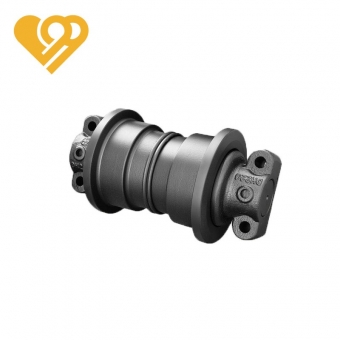
An excavator bottom track roller must maintain reliable internal lubrication and sealing to operate properly under load.
Oil leakage usually indicates that the roller's sealing system can no longer retain lubricant effectively. A track roller contains internal components that require lubrication to reduce friction and wear. When the sealing system fails, lubricant may escape and dirt or moisture may enter.
The most common causes of excavator track roller oil leakage include:
A small amount of dirt or grease on the roller does not automatically confirm an oil leak. Inspect the area carefully and determine whether fresh lubricant is escaping from the roller itself or coming from another nearby component.
For machines showing persistent leakage, inspect the condition of the excavator bottom track rollers and check whether the damage is limited to one roller or affects several rollers on the same track frame.
Track roller overheating generally occurs when friction, loading, or internal mechanical resistance becomes excessive. Some temperature increase is normal during operation, but a roller that becomes noticeably hotter than comparable rollers under similar conditions deserves further inspection.
The main causes of excavator track roller overheating are:
Overheating and oil leakage can occur together. For example, a damaged seal may allow lubricant to escape, reducing lubrication inside the roller. As friction increases, the roller may become hotter and suffer additional internal damage.
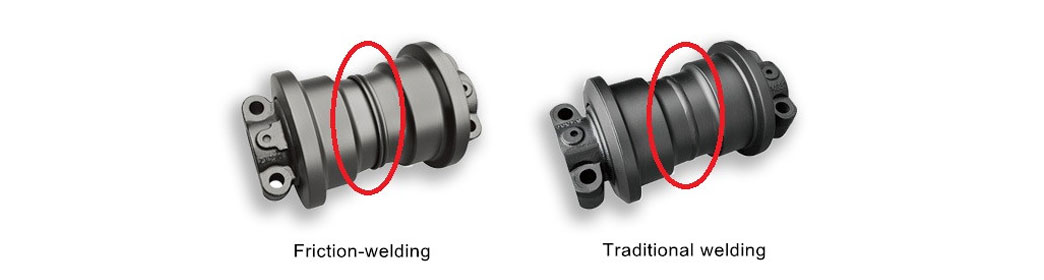
Track roller construction and manufacturing quality are important considerations when evaluating replacement components.
When overheating occurs repeatedly, inspect the complete undercarriage rather than replacing a roller without checking the surrounding components. A new roller may also wear prematurely if excessive track tension or alignment problems remain unresolved.
Oil leakage and excessive heat are important warning signs, but other symptoms can help identify a developing problem before complete failure occurs.
During a routine inspection, look for the following signs:
These symptoms do not always identify a single failed component. For example, abnormal track movement may result from worn rollers, damaged track links, incorrect tension, or a combination of undercarriage problems.
Inspect the track carrier roller assembly as well when upper track movement appears abnormal. Carrier rollers support and guide the upper track run, while bottom track rollers carry the machine's load along the ground. Understanding this difference helps technicians focus on the correct component.
Before ordering replacement parts, confirm whether the problem originates inside the roller or results from another undercarriage issue. A systematic inspection can reduce unnecessary replacement costs and help prevent the same failure from recurring.
Start with these practical checks:
Allow hot components to cool before handling them. Never touch a suspected overheated roller directly to assess its temperature, and do not work beneath an inadequately supported machine. If a roller is severely overheated, making unusual noises, or leaking lubricant continuously, stop operation and arrange a qualified inspection.
Whether a leaking track roller can be repaired depends on the source of the leakage, the condition of its internal components, and the availability of suitable replacement seals and parts.
A roller with a seal problem but otherwise serviceable internal components may be repairable by a qualified technician. However, a roller with severe internal wear, damaged sealing surfaces, significant shaft damage, or evidence of prolonged lubrication loss may require complete replacement.
Repair decisions should consider the following factors:
For machines operating under demanding conditions, repeated leakage from the same roller may indicate that a simple seal replacement will not address the underlying problem. A complete inspection should be performed before returning the machine to service.
When replacement is necessary, review the available excavator track roller options and compare their compatibility with the machine and the intended application.
Selecting the correct replacement roller is about more than matching its external appearance. The roller must fit the machine's undercarriage specifications and provide suitable performance for the working environment.
Before purchasing, buyers should verify the following information:
Manufacturing processes also matter. Yintparts offers friction-welded and traditionally welded track roller designs, along with heat treatment and machining processes intended to support dimensional accuracy and wear resistance. The most suitable option depends on the machine's specifications, application, and required service performance.
For example, the friction-welded track roller product page provides information about the company's manufacturing approach and roller construction. Buyers can use this information as a starting point when discussing product requirements with the supplier.
Regular undercarriage maintenance helps identify developing problems before they lead to major component damage. Although seals and internal components eventually wear, appropriate operating practices and timely inspections can help reduce avoidable failures.
To help prevent track roller oil leakage and overheating:
Maintenance intervals should reflect the machine manufacturer's recommendations, working conditions, and actual equipment use. Machines working in abrasive soil or severe environments may require more frequent inspections than machines operating under lighter loads.
Other components also influence undercarriage performance. For example, worn excavator sprockets and segments can contribute to abnormal interaction with the track chain. Inspecting the undercarriage as a complete system helps prevent one damaged component from shortening the service life of another.
Why is my excavator track roller leaking oil?
The most common causes are worn seals, damaged sealing surfaces, internal component wear, contamination, and impact damage. Inspect the roller to confirm the leakage source before deciding whether repair or replacement is necessary.
Can an excavator track roller overheat because of low lubrication?
Yes. If lubricant escapes through a damaged seal, internal friction can increase and generate excessive heat. However, incorrect track tension, damaged internal components, misalignment, and heavy operating conditions can also contribute to overheating.
Is it safe to continue operating an excavator with a leaking track roller?
Continued operation may worsen internal wear if the roller is losing lubricant. If leakage is persistent, the roller is unusually hot, or abnormal noises occur, stop the machine when safe and arrange an inspection before further operation.
Should I repair or replace a leaking bottom track roller?
A repair may be suitable when the problem is limited to replaceable seals and the internal components remain serviceable. Replacement is often more appropriate when internal wear or damage is severe. The decision should follow a qualified inspection and a comparison of repair cost, reliability, and expected service life.
How can I choose the correct replacement track roller?
Confirm the excavator make and model, original part number, mounting dimensions, flange configuration, and other relevant specifications. Also consider the working environment, material quality, heat treatment, and the supplier's quality-control procedures.
How can I reduce excavator track roller oil leakage and overheating?
Inspect the undercarriage regularly, maintain correct track tension, remove debris, investigate unusual temperatures or noises, and replace damaged components promptly. Selecting compatible rollers and addressing the root cause of repeated failures can also help reduce downtime.
Are all track rollers designed for the same working conditions?
No. Roller dimensions, construction, materials, sealing arrangements, and load requirements can vary by machine model and application. Buyers should confirm technical compatibility and discuss operating conditions with the supplier before ordering.
What information should I provide when requesting a track roller quotation?
Provide the machine brand and model, part number if available, required quantity, relevant dimensions, and intended working conditions. Photos of the existing roller or its identification markings can also help the supplier confirm the correct replacement.
Excavator track rollers usually leak oil or overheat because of seal deterioration, lubrication loss, internal wear, incorrect track tension, contamination, or excessive operating loads. The most effective solution is to identify the actual cause instead of replacing parts without inspecting the surrounding undercarriage.
For equipment owners and parts buyers, regular inspections and accurate product matching can help reduce unexpected downtime and unnecessary maintenance costs. When replacement is required, confirm the machine specifications and working conditions before selecting a suitable track roller.
Yintparts manufactures excavator and bulldozer undercarriage components, including track rollers, track chains, sprockets, idlers, and other replacement parts. Buyers can review the product specifications on the website and contact the company to discuss their machine model and requirements.
get latest company news
Xiamen Yintai Machinery Co., Ltd


 ipv6 network supported
 sales & support 8613696958576
 Email : binochen@yintparts.com