What causes excavator bucket teeth to fall off during operation? In most cases, the problem is related to a worn or damaged locking system, an incompatible tooth and adapter, incorrect installation, or excessive wear around the mounting area. Heavy impact and unsuitable digging conditions can also accelerate the problem.
Excavator bucket teeth are designed to penetrate soil, gravel, rock, and other materials while protecting the bucket from direct wear. However, the tooth must remain securely connected to its adapter. If the tooth, adapter, pin, or retainer does not fit and function correctly, the tooth may become loose and eventually detach during digging.
For excavator owners, contractors, and spare parts buyers, identifying the actual cause is essential. Replacing a missing tooth without checking the locking system may lead to another failure, additional downtime, and potential damage to the bucket or surrounding equipment.
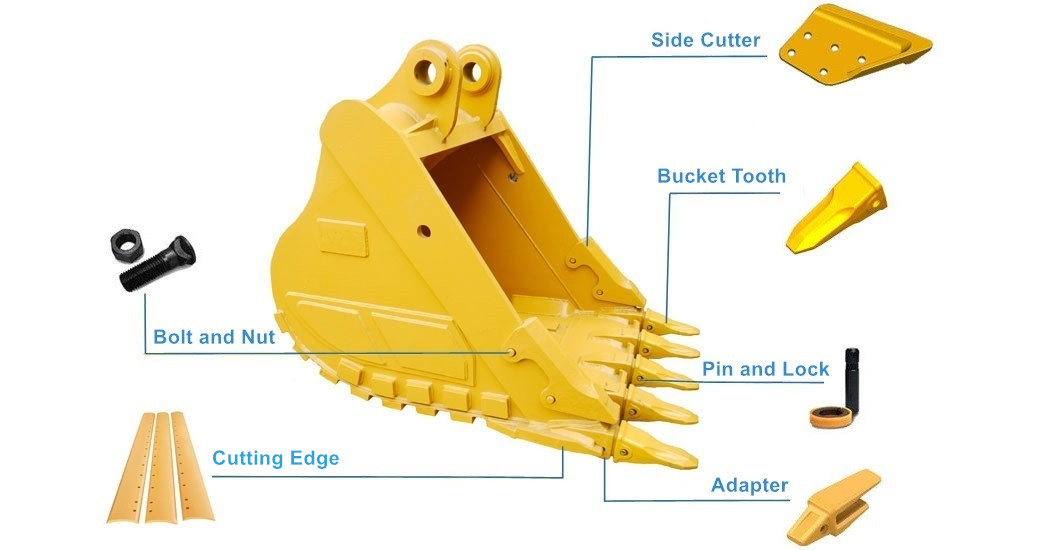
Excavator bucket teeth usually fall off when the retaining system can no longer hold the tooth securely on the adapter. The tooth may gradually loosen as the pin, lock, or mounting surfaces wear, or it may detach suddenly after an impact if a component is damaged or incorrectly installed.
The most common causes include:
The first step is to inspect the complete tooth assembly rather than looking only at the missing or loose tooth. The failure pattern often provides clues about whether the problem started with the locking mechanism, the fit between components, or the working conditions.
Yes. The pin and lock help secure the bucket tooth to its adapter. If either component becomes worn, damaged, incorrectly installed, or unsuitable for the assembly, the tooth may develop excessive movement during digging.
As the excavator repeatedly penetrates and lifts material, the tooth experiences changing forces. A sound retaining system is designed to keep the tooth in position under the intended operating conditions. When the locking components lose their ability to retain it, repeated movement can make the connection less secure.
During inspection, check for:
Do not assume that installing a new pin will solve every case. If the tooth or adapter has worn beyond its permitted limits, a new retaining component may still fail to secure the assembly properly.
When replacing worn components, buyers should verify compatibility with the relevant excavator bucket teeth and adapter assembly. Tooth profile, mounting dimensions, and the specified locking system should match the intended application.
A bucket tooth and its adapter work as a matched assembly. Even if two parts look similar, differences in the mounting profile, dimensions, pin arrangement, or locking design may prevent them from fitting securely.
An incompatible tooth may move excessively, fail to seat correctly, or place abnormal loads on the retaining components. Forcing a tooth into position is not a reliable solution because it can damage the mounting area and create a safety risk during operation.
Before ordering replacement teeth, confirm the following information:
If the machine has a replacement bucket or a modified attachment, the excavator model alone may not be enough to identify the correct tooth. In that situation, the existing part number, measurements, photographs, or technical drawings can help the supplier verify compatibility.
Yintparts supplies different excavator bucket teeth and adapter options, including different tip shapes and sizes. Confirming the exact mounting system before purchase helps reduce fitment problems and unnecessary replacement costs.
Even a correctly manufactured tooth can fall off if it is installed incorrectly. The tooth must seat fully on the adapter, and the designated retaining components must be installed according to the manufacturer's procedure.
Installation problems can occur when the operator or maintenance technician uses an incorrect pin, reuses a damaged retainer, fails to seat the locking component properly, or installs a tooth that does not match the adapter.
To reduce installation-related failures:
Never improvise a locking arrangement or modify a retaining component to make an incompatible tooth fit. If the tooth cannot be installed correctly using the specified procedure, stop and verify the part compatibility.
Yes. Bucket teeth are wear parts, and their mounting surfaces can deteriorate through repeated contact with abrasive materials. Over time, the tooth's mounting area, the adapter nose, or the locking openings may wear enough to affect the fit.
Wear does not always occur at the same rate across the bucket. Teeth in high-contact positions may wear faster, while side teeth may experience different loading and abrasion patterns. Working in hard rock, compacted gravel, or highly abrasive soil can accelerate wear compared with less demanding digging conditions.
Inspect the assembly for:
Replacing the tooth alone may not be sufficient if the adapter is also worn. A replacement tooth installed on a severely worn adapter may not seat correctly or retain the intended fit. Both components should be evaluated against the manufacturer's service criteria.
For demanding applications, selecting an appropriate Caterpillar bucket tooth with wear-resistant alloy steel construction may help address wear-related requirements, provided that the part matches the machine and adapter system. Material selection alone cannot compensate for incorrect fitment or a damaged locking mechanism.
Digging conditions influence how quickly teeth, adapters, and locking components wear. Hard rock, demolition debris, frozen ground, and other high-impact applications can place more demanding loads on the bucket than routine excavation in softer soil.
Repeated side loading can also place additional stress on a tooth and its mounting system. For example, using the bucket to pry large rocks sideways rather than digging in the intended direction can create loads that the tooth assembly was not designed to handle.
To reduce unnecessary stress on bucket teeth:
Tooth selection should balance penetration, wear resistance, and toughness. A long, narrow tooth may suit certain penetration requirements, while a heavier-duty design may be more appropriate for some abrasive or high-impact applications. The best option depends on the machine, adapter, material, and operating method.
Yintparts offers VOLVO bucket teeth and long-tip wear parts in its product range. Buyers should verify the machine and adapter compatibility as well as the intended working conditions before selecting a replacement design.
If a bucket tooth falls off during operation, stop the machine and follow the site's safety procedure. Continuing to dig with a missing tooth can change the load distribution across the remaining teeth and may expose the bucket edge or adapter to additional wear.
A practical inspection sequence is:
If the adapter is cracked or severely worn, or if the locking system cannot be secured according to the manufacturer's instructions, do not return the machine to service until the problem has been properly assessed and repaired.
Keep a record of recurring failures by machine, bucket position, tooth type, operating hours, and working material. This information can help determine whether tooth loss is related to installation practices, unsuitable parts, operating conditions, or wear in the adapter system.
For contractors and parts distributors, preventing repeated tooth loss starts with accurate part identification and a consistent inspection process. Buying a replacement based only on appearance or price can create additional costs if the tooth does not fit the adapter correctly or does not suit the application.
Before placing an order, buyers should confirm:
Yintparts manufactures excavator and bulldozer ground-engaging tools, including bucket teeth and adapters. Its product information describes professional quench-tempering processes and the availability of customized products based on samples, designs, or technical drawings.
Providing accurate application details and part references helps the supplier identify a suitable replacement and reduces the risk of recurring fitment issues. It is also important to inspect the existing adapter before ordering new teeth, because a new tooth cannot correct excessive wear or damage in the mounting component.
Why do excavator bucket teeth fall off during operation?
The most common causes are worn or damaged pins and locks, incorrect tooth-to-adapter fit, installation errors, excessive wear, and impact damage. Inspect the complete assembly to identify the root cause before installing a replacement.
Can a bucket tooth fall off even when the tooth itself is new?
Yes. A new tooth can still detach if it is incompatible with the adapter, installed incorrectly, or secured with the wrong or damaged retaining components. A worn adapter can also prevent the tooth from fitting securely.
Should I replace the adapter when a bucket tooth falls off?
Not in every case. Inspect the adapter nose, mounting surfaces, and locking openings for cracks, deformation, or excessive wear. Replace the adapter if it no longer meets the manufacturer's service requirements or cannot securely retain the correct tooth.
How can I tell whether the pin and lock need replacement?
Check for missing, bent, cracked, or worn components, incorrect seating, and abnormal tooth movement. Follow the manufacturer's inspection criteria and use the specified replacement parts for the assembly.
Do different excavator bucket teeth use the same adapter?
No. Tooth and adapter systems can vary by machine, product design, mounting dimensions, and locking arrangement. Verify the part number and fitment requirements instead of assuming that visually similar teeth are interchangeable.
Can hard rock digging cause bucket teeth to detach?
Hard rock and other high-impact materials can increase stress on the tooth and its retaining system. However, a tooth that detaches should still be inspected for wear, incorrect fit, damaged locking components, and installation problems rather than attributing the failure to operating conditions alone.
What information should I provide when ordering replacement bucket teeth?
Provide the excavator make and model, tooth or adapter part number, photographs or measurements when needed, locking-system details, and the working conditions. If the bucket has been modified or replaced, the existing tooth and adapter references are especially important.
Can regular inspection prevent bucket tooth loss?
Regular inspection can help identify loose teeth, worn locking components, damaged adapters, and incompatible replacement parts before they cause a failure. Inspection frequency should reflect operating severity, manufacturer recommendations, and the machine's maintenance plan.
get latest company news
Xiamen Yintai Machinery Co., Ltd


 ipv6 network supported
 sales & support 8613696958576
 Email : binochen@yintparts.com